
Scattered Leaders Burn Time
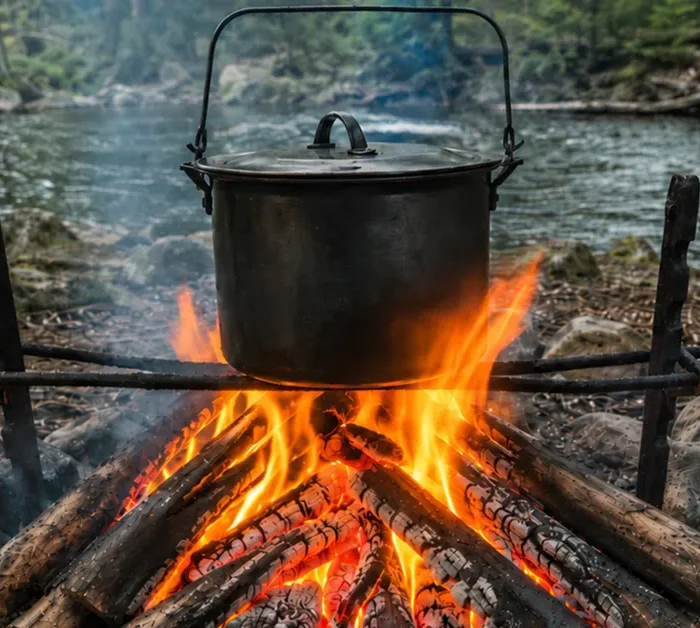
When involved in Scouting, one of the activities Cubs were taught, aged 7 to 10, was how to start a fire and boil a small can of water in under 15 minutes. Once the theory had been taught, the creations varied from a tiny flame to a bonfire, especially when they became Scouts.
To successfully complete the task, the water had to boil using as few resources- wood and time – as possible.
The requirements for the “Outdoor Challenge / Camping Badge” focused strongly on preparation and planning.
Too little wood, and the fire would burn out before the water boiled. A fire spread too wide would waste heat and make it difficult to remove the boiling water safely. A fire with enough heat, properly focused on the center, can boil water surprisingly quickly. When the fire takes too long, it usually means the energy is scattered, the preparation was poor, or the resources were not used well.
The time and energy of a leader are very similar to that fire. How many leaders start projects without first determining the resources they need? Their wood is bound to run out before the water boils. Alternatively, some leaders have too many projects on the go at the same time. Their focus is unclear. They may be giving energy to less important projects, while the work that really matters receives too little “heat”. Their fire is too wide and not focused enough.
Leaders are often unfocused with their time and energy because they confuse activity with effectiveness. They look busy, they make themselves available to everyone, and they are involved in numerous activities. Are they being intentional?
Many leaders find that their energy becomes scattered during the day.
Some common reasons include:
- They react instead of lead
Their day is controlled by emails, WhatsApp messages, meetings, interruptions and other people’s urgency. They start the day with priorities but end the day fighting fires. How well are you planning your day and using your resources? - They confuse being available for being valuable
Many leaders believe, “My team needs me.” They become the answer to every problem. They hardly ever say no, and over time, they become the bottleneck and destroy value. - They have not chosen what matters most
If a leader has not clearly decided on the top priorities, ideally no more than three, everything starts looking important. When everything is important, nothing receives full energy. Have you identified your critical outcomes, and are you measuring your progress? - They lead from habit, not intention
Some leaders repeat yesterday’s patterns: the same meetings, the same conversations and the same frustrations. They are not asking, “Is this still the best use of my leadership energy?” - They try to control too much
Instead of building people, leaders keep rescuing people. Instead of delegating outcomes, they supervise tasks. That spreads their energy thin; they may be disguising their desire to control. How many tasks are you delegating, and how many are you still holding onto unnecessarily?
Leaders lose focus when they allow urgency to steal from importance as highlighted in the Eisenhower Matrix. A too full calendar may lead to diminished leadership which leads to less effectiveness.
When leaders spread themselves too thin. They are like the fire that will take ages to boil the water. There is a blaze, heat everywhere, but no focus. Focused leadership gathers energy around what matters most so that we can reach the boiling point faster. What type of a leader are you?
Paul Tanton
Leadership Entrepreneur and Coach